Baba Nahar Singh (Bajiya ji) Temple, Dholra
Also known as Dholra Mandir, Dholra Temple, Baba Nahar Singh Bajiya ji Temple, Nahar Singh Dhaulra Temple, Peepal Wala Devta, Dalian Wala Devta, Baba Nahar Singh Temple
Baba Nahar Singh Temple in Dholra, Bilaspur, honors a manifest deity (Pratyaksh Devta) invoked for protection and dispute resolution, mainly on Tuesdays.
Photos of Baba Nahar Singh (Bajiya ji) Temple, Dholra
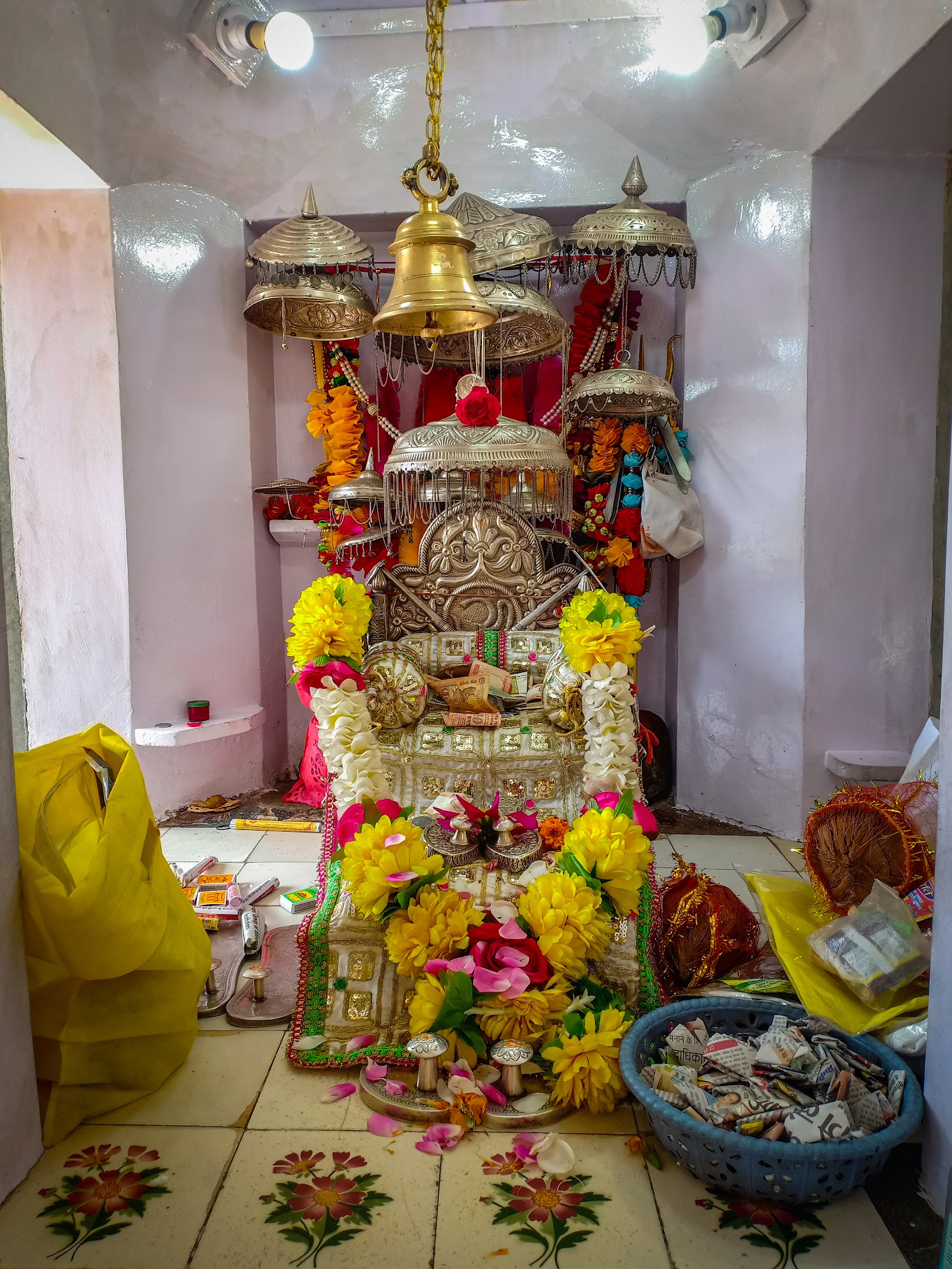
Baba Nahar Singh (Bajiya ji) Temple, Dholra at a Glance
| Location | Bilaspur, Himachal Pradesh |
|---|---|
| Established | 17th century CE (Raja Deep Chand of Kahlur) |
| Architecture | Pahari hill shrine (devta-darbar style; non-idol, centred on a sacred wooden slipper / kharaun) |
| Timings | Open daily, typically early morning to late evening (no published official schedule); Tuesdays and Jeth-month Tuesdays are the busiest. Confirm with the temple committee on arrival. |
| Address | Baba Nahar Singh Temple, Dholra (Dhaulra), Lower Nihal, Bilaspur Town, Bilaspur District, Himachal Pradesh 174001 |
History of Baba Nahar Singh (Bajiya ji) Temple, Dholra
Baba Nahar Singh is remembered as the devta of Naggar, the old capital of Kullu, who "travelled" with a Kullu princess when she married into the Bilaspur royal house. According to local tradition, Raja Deep Chand of the Kahlur (Bilaspur) kingdom married a Kullu princess — Lai Dei, later known as Naggar Dei — in the 17th century CE. After the marriage, the queen began suffering repeated fits of unconsciousness, which tradition interpreted as a sign that the Kullu deity Baba Nahar Singh had come with her. Raja Deep Chand formally established the deity's seat at Dholra with proper rituals, creating the present shrine. The deity is venerated not through a sculpted murti but through his sacred kharaun (wooden slippers), symbolising the living presence of the devta. A sizeable annual Jeth-month fair (mid-May to mid-June) is held here. Baba is also affectionately called Bajia / Bajiya, Peepal Wala, and Dalian Wala, reflecting different strands of local folklore. Note: the Google Maps listings "Dholra Temple" (480 reviews) and "Baba Nahar Singh Bajiya ji Temple" (671 reviews) at the same lat/lng (31.333, 76.758) refer to this same shrine — kept as one row here.
Festivals Celebrated at Baba Nahar Singh (Bajiya ji) Temple, Dholra
- Jeth Navratri / Jeth Mela (mid-May to mid-June, weekly Tuesdays)
- Navratri (Chaitra & Sharad)
- Tuesday weekly devta diwan
- Annual Barsi / Smagam of Baba Nahar Singh
How to Reach Baba Nahar Singh (Bajiya ji) Temple, Dholra
Nearest airports: Chandigarh International Airport ~110 km and Bhuntar / Kullu-Manali Airport ~140 km. Nearest broad-gauge railhead: Kiratpur Sahib / Anandpur Sahib ~55 km, with Una ~80 km as an alternative. By road: the temple is in Dholra (Lower Nihal) in Bilaspur town on the Shimla-Kangra corridor (old NH-21 / NH-205), well connected by HRTC buses and local taxis from Bilaspur bus stand (~3-5 km).
Temples Near Baba Nahar Singh (Bajiya ji) Temple, Dholra
- Bajrangbali Mandir, Baihna JatanHimachal Pradesh · about 3 km in a straight line
- Jawah Pond & Shiva Temple, JoahaHimachal Pradesh · about 4 km in a straight line
- Shri Badoli Devi Ji TempleHimachal Pradesh · about 4 km in a straight line
- Gugga Jahar Peer Mandir, MusahanHimachal Pradesh · about 5 km in a straight line
- Lakh Data Temple, BhajwaniHimachal Pradesh · about 5 km in a straight line
- Bhole Nath Shiv Shankar Mandir, MusahanHimachal Pradesh · about 6 km in a straight line
More Temples in Himachal Pradesh
- Sheetla Mata Temple, JanglaHimachal Pradesh
- Shiv Temple, KhirsiHimachal Pradesh
- Shri Rukmini Temple and KundHimachal Pradesh
- Sidh Baba Balak Nath Temple, JanglaHimachal Pradesh
- Kali Mata Temple, NakhleraHimachal Pradesh
- Shiv Puri Dham, SundhruHimachal Pradesh
Frequently Asked Questions about Baba Nahar Singh (Bajiya ji) Temple, Dholra
Where is Baba Nahar Singh (Bajiya ji) Temple, Dholra located?
- Baba Nahar Singh (Bajiya ji) Temple, Dholra is located at Baba Nahar Singh Temple, Dholra (Dhaulra), Lower Nihal, Bilaspur Town, Bilaspur District, Himachal Pradesh 174001, in Bilaspur, Himachal Pradesh, India.
What are the timings of Baba Nahar Singh (Bajiya ji) Temple, Dholra?
- Baba Nahar Singh (Bajiya ji) Temple, Dholra is generally open Open daily, typically early morning to late evening (no published official schedule); Tuesdays and Jeth-month Tuesdays are the busiest. Confirm with the temple committee on arrival.. Timings can vary on festival days and special occasions — verify with the temple before your visit.
When was Baba Nahar Singh (Bajiya ji) Temple, Dholra built?
- Baba Nahar Singh (Bajiya ji) Temple, Dholra was established 17th century CE (Raja Deep Chand of Kahlur). Portions of the structure have been added and renovated by successive dynasties over the centuries.
What is the architectural style of Baba Nahar Singh (Bajiya ji) Temple, Dholra?
- Baba Nahar Singh (Bajiya ji) Temple, Dholra is built in the Pahari hill shrine (devta-darbar style; non-idol, centred on a sacred wooden slipper / kharaun) style.
Which festivals are celebrated at Baba Nahar Singh (Bajiya ji) Temple, Dholra?
- The principal festivals celebrated at Baba Nahar Singh (Bajiya ji) Temple, Dholra include Jeth Navratri / Jeth Mela (mid-May to mid-June, weekly Tuesdays), Navratri (Chaitra & Sharad), Tuesday weekly devta diwan, Annual Barsi / Smagam of Baba Nahar Singh. These draw large crowds of pilgrims from across Himachal Pradesh and beyond.
How can I reach Baba Nahar Singh (Bajiya ji) Temple, Dholra?
- Nearest airports: Chandigarh International Airport ~110 km and Bhuntar / Kullu-Manali Airport ~140 km. Nearest broad-gauge railhead: Kiratpur Sahib / Anandpur Sahib ~55 km, with Una ~80 km as an alternative. By road: the temple is in Dholra (Lower Nihal) in Bilaspur town on the Shimla-Kangra corridor (old NH-21 / NH-205), well connected by HRTC buses and local taxis from Bilaspur bus stand (~3-5 km).
Why is Baba Nahar Singh (Bajiya ji) Temple, Dholra significant?
- Baba Nahar Singh Temple in Dholra, Bilaspur, honors a manifest deity (Pratyaksh Devta) invoked for protection and dispute resolution, mainly on Tuesdays.