Chaurasi Temples, Bharmour
Also known as Chaurasi Temple Complex, 84 Temples Bharmour, Bharmour Temple Complex
Chaurasi Temples in Bharmour, HP, is a cluster of 84 shrines, reputedly built by 84 resting siddhas, including the ancient wooden Lakshana Devi shrine.
Photos of Chaurasi Temples, Bharmour
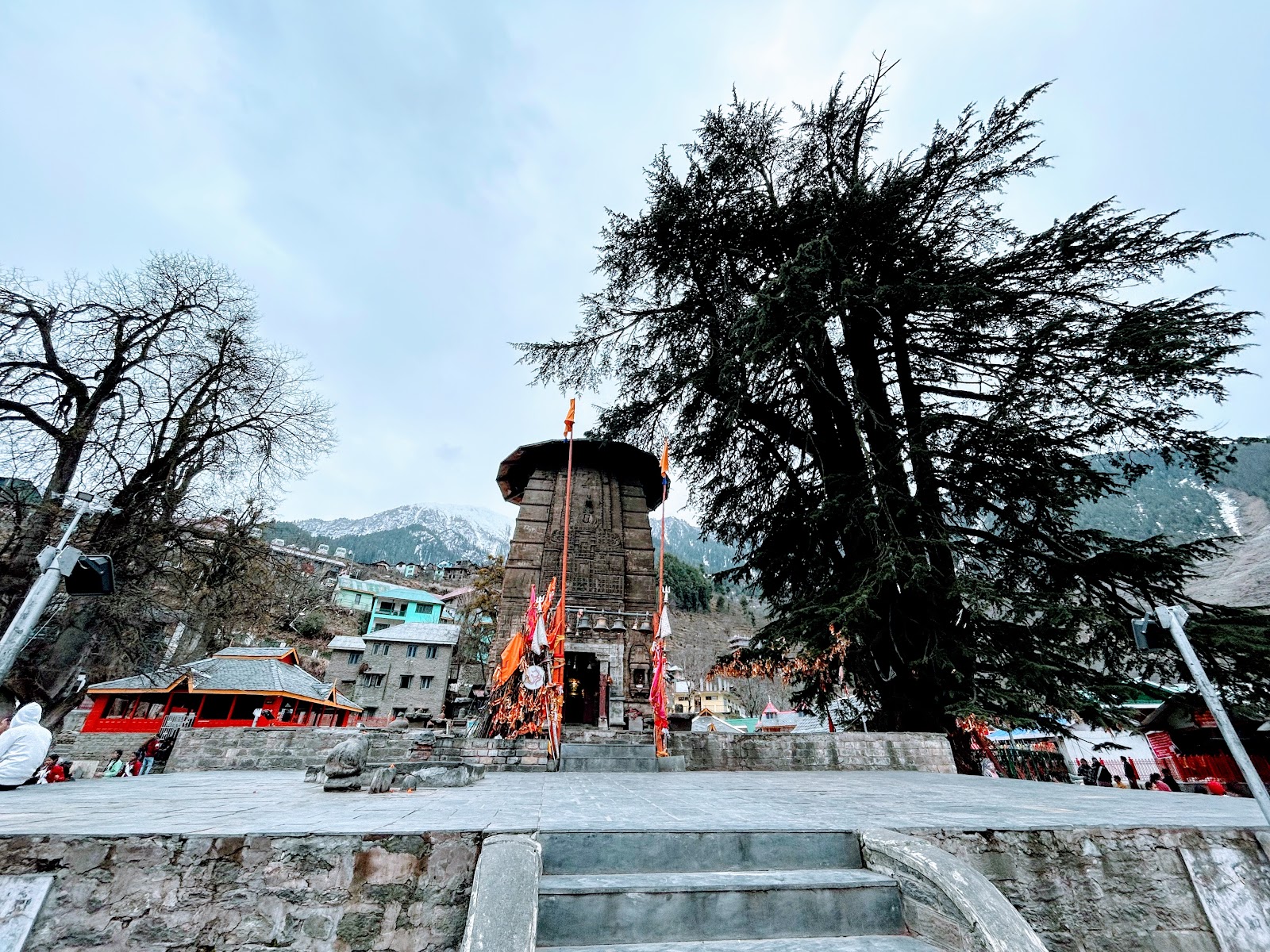
Chaurasi Temples, Bharmour at a Glance
| Location | Chamba, Himachal Pradesh |
|---|---|
| Presiding deity | Shiva |
| Established | Ancient, mainly 7th-10th century CE (old Chamba capital, pre-dates the move to Chamba town) |
| Architecture | Cluster of wood and stone shikhara shrines in early Pahari-Himalayan style, centred on a tall stone shikhara Shiva temple |
| Timings | Open daily, 5:00 AM – 8:00 PM (aarti at sunrise and sunset) |
| Address | Bharmour, Chamba District, Himachal Pradesh 176315 |
History of Chaurasi Temples, Bharmour
Bharmour served as the capital of the Chamba princely state for roughly four centuries before Raja Sahil Varman shifted the capital to present-day Chamba town around 920 CE. The temple courtyard at Bharmour, known as the Chaurasi, was built up over several reigns starting with Raja Meruvarman in the 7th-8th century, combining Nagara-style stone shikhara shrines with older wooden Pahari-style temples. The complex remains the starting point of the annual Manimahesh Yatra, one of Himachal's most important Shaivite pilgrimages, and is protected as a site of major historical and architectural importance.
Festivals Celebrated at Chaurasi Temples, Bharmour
- Manimahesh Yatra (August-September)
- Maha Shivratri
- Navratri
How to Reach Chaurasi Temples, Bharmour
Nearest airport: Kangra (Gaggal) Airport (~180 km). Nearest railhead: Pathankot (~120 km). By road: Bharmour is 65 km from Chamba town via a scenic mountain road; HRTC buses and taxis run regularly from Chamba.
Temples Near Chaurasi Temples, Bharmour
- Bharmani Temple, BharmourHimachal Pradesh · about 0 km in a straight line
- Lakshana Devi Temple, BharmourHimachal Pradesh · about 0 km in a straight line
- Laake Wali Mata MandirHimachal Pradesh · about 22 km in a straight line
- Bhagsunag TempleHimachal Pradesh · about 29 km in a straight line
- Shri Chamunda Devi MandirHimachal Pradesh · about 35 km in a straight line
- Chamunda Devi Mandir, ChambaHimachal Pradesh · about 40 km in a straight line
More Shiva Temples to Visit
- Shri Baijnath TempleHimachal Pradesh
- Lord Shiva Statue, KhajjiarHimachal Pradesh
- Masroor Rock-cut TempleHimachal Pradesh
- Jagatsukh Mandir (Sandhya Gayatri Temple)Himachal Pradesh
- Dashal Mahadev TempleHimachal Pradesh
- Gauri Shankar Temple, Dashal (Hallan-i)Himachal Pradesh
Frequently Asked Questions about Chaurasi Temples, Bharmour
Where is Chaurasi Temples, Bharmour located?
- Chaurasi Temples, Bharmour is located at Bharmour, Chamba District, Himachal Pradesh 176315, in Chamba, Himachal Pradesh, India.
Who is the presiding deity at Chaurasi Temples, Bharmour?
- The presiding deity at Chaurasi Temples, Bharmour is Shiva (also known as Mahadev, Bholenath), worshipped in the Shaiva tradition.
What are the timings of Chaurasi Temples, Bharmour?
- Chaurasi Temples, Bharmour is generally open Open daily, 5:00 AM – 8:00 PM (aarti at sunrise and sunset). Timings can vary on festival days and special occasions — verify with the temple before your visit.
When was Chaurasi Temples, Bharmour built?
- Chaurasi Temples, Bharmour was established Ancient, mainly 7th-10th century CE (old Chamba capital, pre-dates the move to Chamba town). Portions of the structure have been added and renovated by successive dynasties over the centuries.
What is the architectural style of Chaurasi Temples, Bharmour?
- Chaurasi Temples, Bharmour is built in the Cluster of wood and stone shikhara shrines in early Pahari-Himalayan style, centred on a tall stone shikhara Shiva temple style, characteristic of Shiva shrines of this region.
Which festivals are celebrated at Chaurasi Temples, Bharmour?
- The principal festivals celebrated at Chaurasi Temples, Bharmour include Manimahesh Yatra (August-September), Maha Shivratri, Navratri. These draw large crowds of pilgrims from across Himachal Pradesh and beyond.
How can I reach Chaurasi Temples, Bharmour?
- Nearest airport: Kangra (Gaggal) Airport (~180 km). Nearest railhead: Pathankot (~120 km). By road: Bharmour is 65 km from Chamba town via a scenic mountain road; HRTC buses and taxis run regularly from Chamba.
Why is Chaurasi Temples, Bharmour significant?
- Chaurasi Temples in Bharmour, HP, is a cluster of 84 shrines, reputedly built by 84 resting siddhas, including the ancient wooden Lakshana Devi shrine.