Kalisthan Temple, Nahan
Also known as Kalisthan Mandir Nahan, Ma Kali Temple Nahan Police Colony, Shakti Kali Temple Nahan
Kalisthan Temple in central Nahan, Sirmaur, Himachal Pradesh, is one of the city's oldest Kali shrines, tied to former Sirmaur royal traditions.
Photos of Kalisthan Temple, Nahan
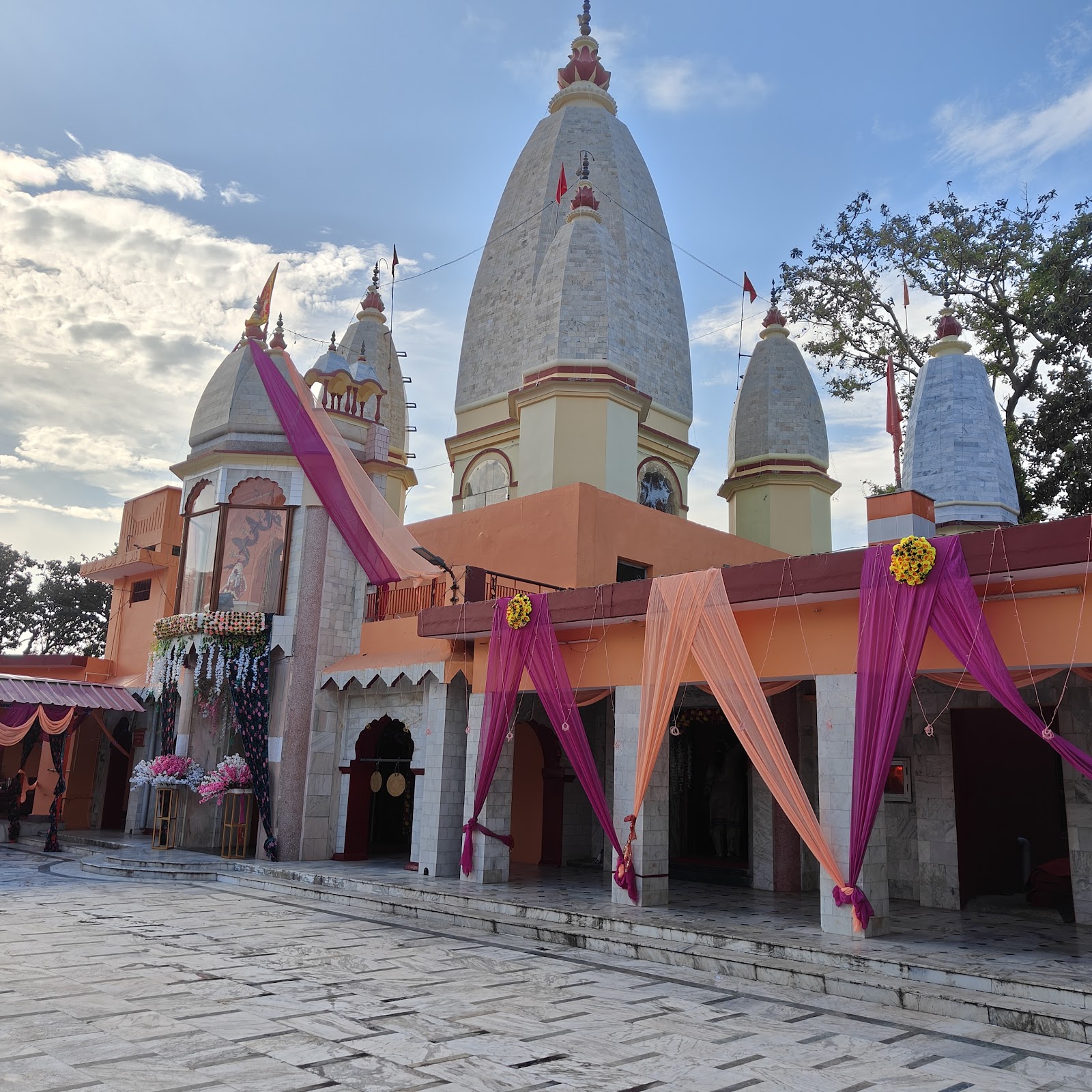
Kalisthan Temple, Nahan at a Glance
| Location | Sirmaur, Himachal Pradesh |
|---|---|
| Presiding deity | Kali |
| Established | Ancient (legendary founding per the Kalisthan Maharaj tradition of Sirmaur) |
| Architecture | Vernacular Pahari stone-and-concrete Devi shrine in the heart of old Nahan town |
| Timings | Open daily, 4:00 AM – 7:00 PM (aarti at sunrise, noon and sunset) |
| Address | Police Colony, Nahan, Sirmaur District, Himachal Pradesh 173001 |
History of Kalisthan Temple, Nahan
Local tradition places the founding of the Kalisthan in the early centuries of the Sirmaur state, with the presiding pindi linked to the founding myth of Nahan town. The temple was a royal-shrine of the Sirmaur princely house and is mentioned in early gazetteers of the region. The current structure was rebuilt in the 20th c., but the presiding pindi is ancient. The temple is closely associated with the Bharmour Kalisthan tradition of Chamba and with the broader goddess-cult of the Sivalik hills.
Festivals Celebrated at Kalisthan Temple, Nahan
- Chaitra Ashtami
- Sharad Navratri
- Kalashtami
- Tuesday puja (weekly)
How to Reach Kalisthan Temple, Nahan
Nearest airport: Chandigarh (~110 km). Nearest railhead: Kiratpur Sahib (~50 km). By road: located in the Police Colony area of central Nahan, ~1 km from the Nahan bus stand. Approach from Paonta Sahib (~45 km) or Renuka Ji (~60 km) by local bus and auto-rickshaw.
Temples Near Kalisthan Temple, Nahan
- Shiva Temple, RanitalHimachal Pradesh · about 1 km in a straight line
- Maharishi Markanda TempleHimachal Pradesh · about 3 km in a straight line
- Paudiwala Shiv TempleHimachal Pradesh · about 3 km in a straight line
- Mata Balasundri Temple, JamtaHimachal Pradesh · about 5 km in a straight line
- Sri MahaMaya Bala Sundari Temple, TrilokpurHimachal Pradesh · about 9 km in a straight line
- Parshuram Temple, Renuka JiHimachal Pradesh · about 16 km in a straight line
More Kali Temples to Visit
- Kali Mata Temple, NakhleraHimachal Pradesh
- Mata Shyama Kali TempleHimachal Pradesh
- Kali Math Temple LehLadakh
- Dakshineswar Kali TempleWest Bengal
- Kalighat Kali TempleWest Bengal
Frequently Asked Questions about Kalisthan Temple, Nahan
Where is Kalisthan Temple, Nahan located?
- Kalisthan Temple, Nahan is located at Police Colony, Nahan, Sirmaur District, Himachal Pradesh 173001, in Sirmaur, Himachal Pradesh, India.
Who is the presiding deity at Kalisthan Temple, Nahan?
- The presiding deity at Kalisthan Temple, Nahan is Kali (also known as Kalika, Bhadrakali), worshipped in the Shakta tradition.
What are the timings of Kalisthan Temple, Nahan?
- Kalisthan Temple, Nahan is generally open Open daily, 4:00 AM – 7:00 PM (aarti at sunrise, noon and sunset). Timings can vary on festival days and special occasions — verify with the temple before your visit.
When was Kalisthan Temple, Nahan built?
- Kalisthan Temple, Nahan was established Ancient (legendary founding per the Kalisthan Maharaj tradition of Sirmaur). Portions of the structure have been added and renovated by successive dynasties over the centuries.
What is the architectural style of Kalisthan Temple, Nahan?
- Kalisthan Temple, Nahan is built in the Vernacular Pahari stone-and-concrete Devi shrine in the heart of old Nahan town style, characteristic of Kali shrines of this region.
Which festivals are celebrated at Kalisthan Temple, Nahan?
- The principal festivals celebrated at Kalisthan Temple, Nahan include Chaitra Ashtami, Sharad Navratri, Kalashtami, Tuesday puja (weekly). These draw large crowds of pilgrims from across Himachal Pradesh and beyond.
How can I reach Kalisthan Temple, Nahan?
- Nearest airport: Chandigarh (~110 km). Nearest railhead: Kiratpur Sahib (~50 km). By road: located in the Police Colony area of central Nahan, ~1 km from the Nahan bus stand. Approach from Paonta Sahib (~45 km) or Renuka Ji (~60 km) by local bus and auto-rickshaw.
Why is Kalisthan Temple, Nahan significant?
- Kalisthan Temple in central Nahan, Sirmaur, Himachal Pradesh, is one of the city's oldest Kali shrines, tied to former Sirmaur royal traditions.