Mata Balasundri Temple, Jamta
Also known as Balasundri Temple Jamta, mata Balasundri Temple, Bal Sundari Devi Mandir Jamta
Mata Balasundri Temple in Jamta, Sirmaur, Himachal Pradesh, is a historic hilltop Devi shrine linked to 19th-century Gorkha-British battles.
Photos of Mata Balasundri Temple, Jamta
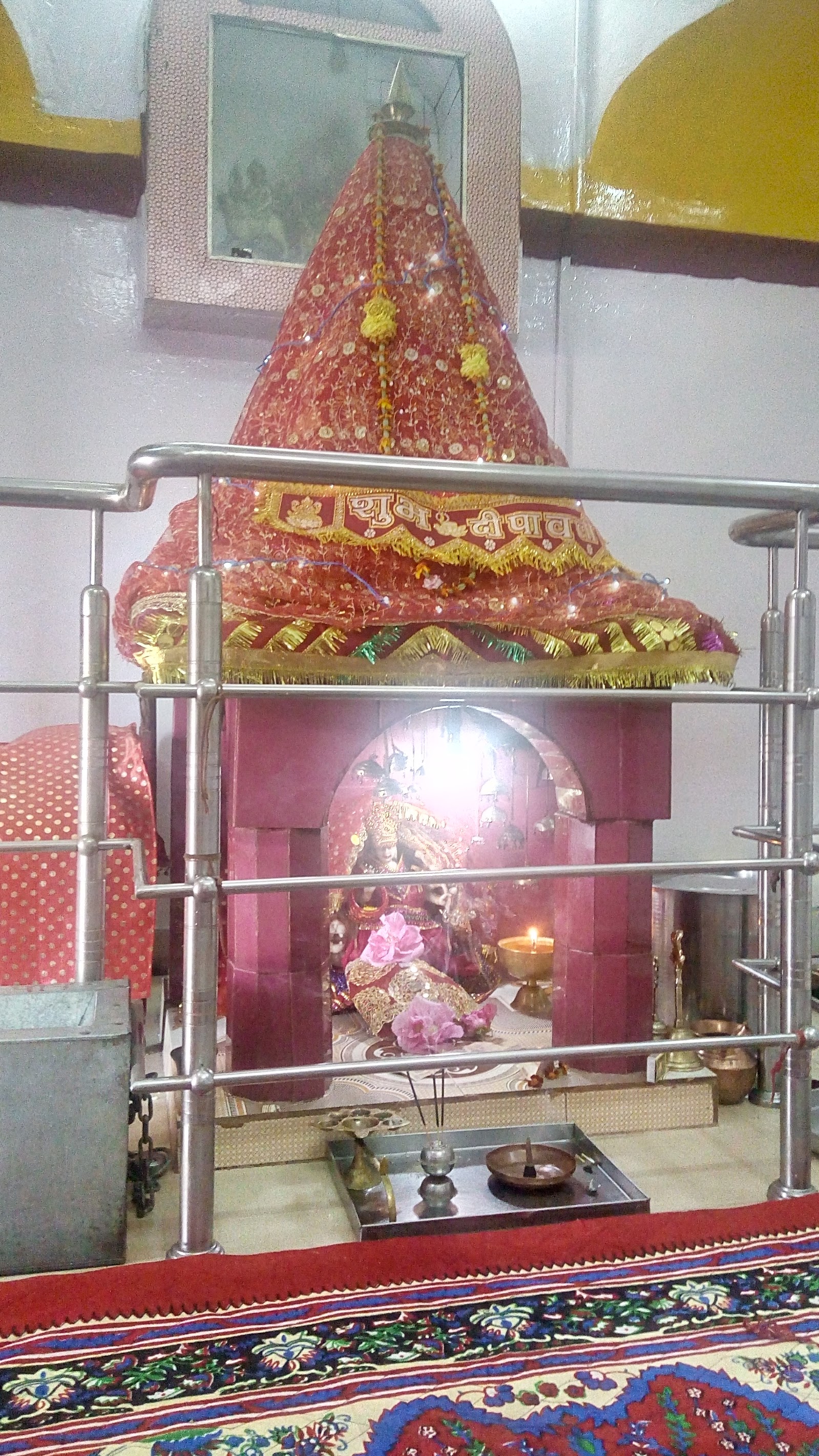
Mata Balasundri Temple, Jamta at a Glance
| Location | Sirmaur, Himachal Pradesh |
|---|---|
| Presiding deity | Devi |
| Established | Ancient (legendary 18th-19th c. connection to Gorkha-British battles) |
| Architecture | Ancient hilltop Devi temple, whitewashed in white-and-red, with a small Devi pindi in the sanctum |
| Timings | Open daily, sunrise to sunset (typical Pahari village-temple hours; no fixed printed schedule) |
| Address | Jamta, Sirmaur District, Himachal Pradesh 173001 |
History of Mata Balasundri Temple, Jamta
Local tradition holds that the presiding pindi of Mata Balasundri was discovered by a villager in the 19th century, around the time of the Gorkha-British conflicts in the Sirmour hills. The shrine is mentioned in passing in 19th-c. British gazetteers of the Sirmour princely state. The temple was rebuilt in whitewashed stone-and-concrete in the 20th c. and remains a working local shrine, drawing a small but steady stream of devotees. The view from the hilltop, especially at dusk, is one of the finest in the Nahan area.
Festivals Celebrated at Mata Balasundri Temple, Jamta
- Chaitra Ashtami
- Sharad Navratri
- Local jatra
How to Reach Mata Balasundri Temple, Jamta
Nearest airport: Chandigarh (~110 km). Nearest railhead: Kiratpur Sahib (~50 km). By road: ~6 km from Nahan town via the Jamta-Dhamla road. The hilltop is reachable by a short walk (1-2 km) from the road head.
Temples Near Mata Balasundri Temple, Jamta
- Kalisthan Temple, NahanHimachal Pradesh · about 5 km in a straight line
- Shiva Temple, RanitalHimachal Pradesh · about 5 km in a straight line
- Maharishi Markanda TempleHimachal Pradesh · about 8 km in a straight line
- Paudiwala Shiv TempleHimachal Pradesh · about 8 km in a straight line
- Sri MahaMaya Bala Sundari Temple, TrilokpurHimachal Pradesh · about 12 km in a straight line
- Parshuram Temple, Renuka JiHimachal Pradesh · about 13 km in a straight line
More Devi Temples to Visit
- Maa Bhangayni MandirHimachal Pradesh
- Shri Mata Renuka Ji TempleHimachal Pradesh
- Chindi Mata MandirHimachal Pradesh
- Shree Naina Devi Ji, Sohra-BiyunsHimachal Pradesh
- Shikari Devi TempleHimachal Pradesh
- Shri Badoli Devi Ji TempleHimachal Pradesh
Frequently Asked Questions about Mata Balasundri Temple, Jamta
Where is Mata Balasundri Temple, Jamta located?
- Mata Balasundri Temple, Jamta is located at Jamta, Sirmaur District, Himachal Pradesh 173001, in Sirmaur, Himachal Pradesh, India.
Who is the presiding deity at Mata Balasundri Temple, Jamta?
- The presiding deity at Mata Balasundri Temple, Jamta is Devi (also known as Shakti, Durga), worshipped in the Shakta tradition.
What are the timings of Mata Balasundri Temple, Jamta?
- Mata Balasundri Temple, Jamta is generally open Open daily, sunrise to sunset (typical Pahari village-temple hours; no fixed printed schedule). Timings can vary on festival days and special occasions — verify with the temple before your visit.
When was Mata Balasundri Temple, Jamta built?
- Mata Balasundri Temple, Jamta was established Ancient (legendary 18th-19th c. connection to Gorkha-British battles). Portions of the structure have been added and renovated by successive dynasties over the centuries.
What is the architectural style of Mata Balasundri Temple, Jamta?
- Mata Balasundri Temple, Jamta is built in the Ancient hilltop Devi temple, whitewashed in white-and-red, with a small Devi pindi in the sanctum style, characteristic of Devi shrines of this region.
Which festivals are celebrated at Mata Balasundri Temple, Jamta?
- The principal festivals celebrated at Mata Balasundri Temple, Jamta include Chaitra Ashtami, Sharad Navratri, Local jatra. These draw large crowds of pilgrims from across Himachal Pradesh and beyond.
How can I reach Mata Balasundri Temple, Jamta?
- Nearest airport: Chandigarh (~110 km). Nearest railhead: Kiratpur Sahib (~50 km). By road: ~6 km from Nahan town via the Jamta-Dhamla road. The hilltop is reachable by a short walk (1-2 km) from the road head.
Why is Mata Balasundri Temple, Jamta significant?
- Mata Balasundri Temple in Jamta, Sirmaur, Himachal Pradesh, is a historic hilltop Devi shrine linked to 19th-century Gorkha-British battles.