Nako Monastery
Also known as Nako Gompa, Lotsava Lhakhang, Nako Monastery Complex, Nako - Buddhist Temple
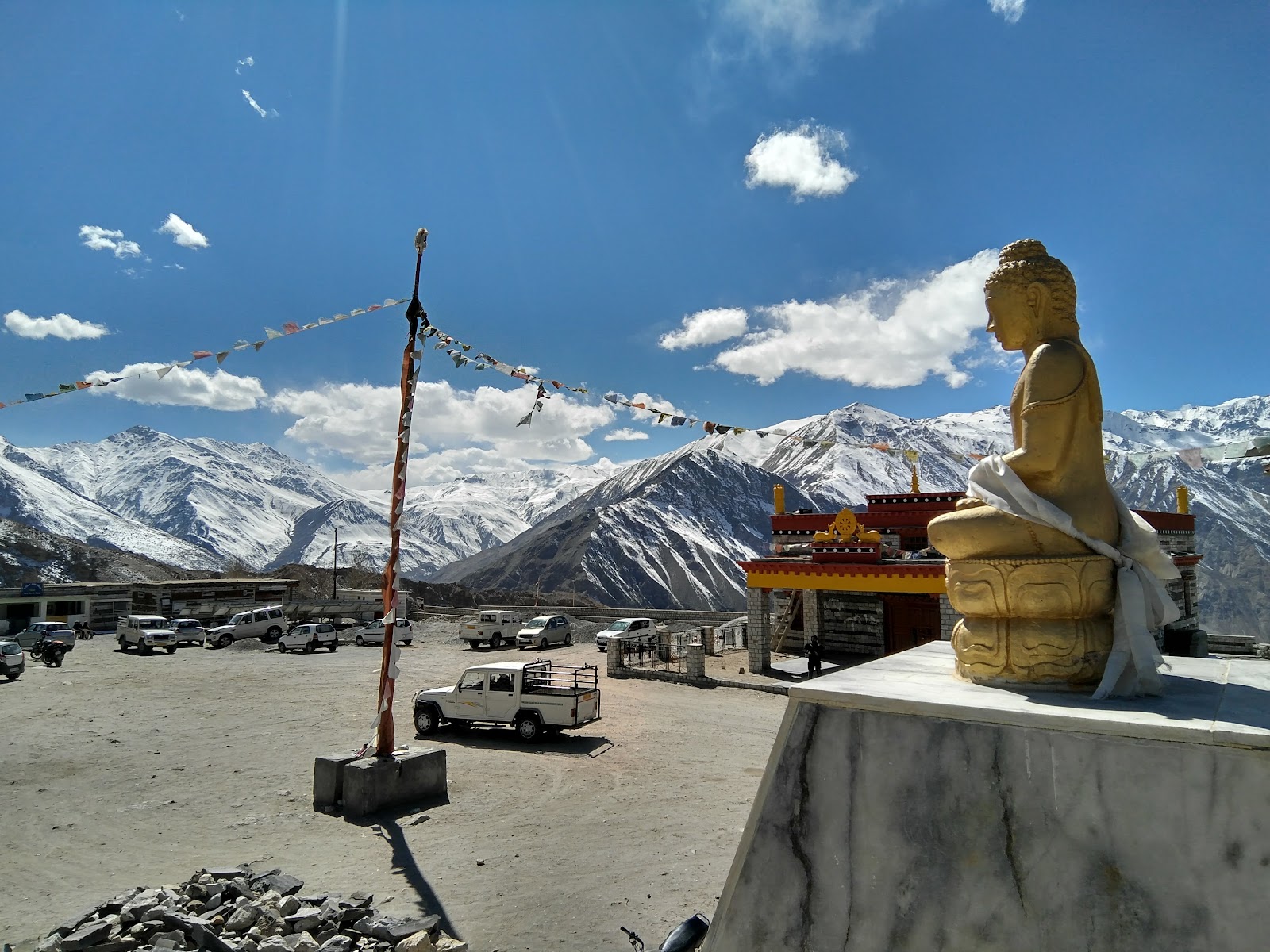
Nako Monastery beside scenic Nako Lake in Kinnaur, Himachal Pradesh, is among the western Himalaya's oldest Buddhist monastic complexes, from the 11th century.
Photos of Nako Monastery
Nako Monastery at a Glance
| Location | Kinnaur, Himachal Pradesh |
|---|---|
| Established | 11th century CE (c. 1025 CE) |
| Architecture | Traditional Tibetan Buddhist wood-and-stone complex of four halls (the largest called Dukhang), with centuries-old murals, wood carvings, and stucco sculptures |
| Timings | Open daily, dawn to dusk |
| Address | Nako, Himachal Pradesh 172111 |
History of Nako Monastery
Traditionally attributed to the great translator-monk Lochen Rinchen Zangpo (958-1055 CE), credited with founding over a hundred monasteries across the western Himalayas during the Buddhist revival of the 11th century. Also called Lotsava Lhakhang ("temple of the translator") in his honour, the monastery's murals and mandalas depicting Buddhist cosmology have made it a focus of conservation work since a preservation project began in 2002. It remains an active site of worship for the local Buddhist community, not merely a heritage monument.
Festivals Celebrated at Nako Monastery
- Losar (Tibetan New Year)
- Cham (mask dance) festivals
How to Reach Nako Monastery
Nearest airport: Shimla (Jubbarhatti), ~240 km, or Chandigarh (~300+ km, better connectivity). Nearest railhead: Shimla (narrow-gauge) or Kalka (broad-gauge). By road: NH-5 (old Hindustan-Tibet Road) through Rampur-Reckong Peo-Pooh, then a branch road up to Nako village.
Temples Near Nako Monastery
- Tashigang Rong GompaHimachal Pradesh · about 6 km in a straight line
- Chango Rabgyaling MonasteryHimachal Pradesh · about 11 km in a straight line
- Cheelai Gonpa, PoohHimachal Pradesh · about 12 km in a straight line
- Laprang Temple, NesangHimachal Pradesh · about 28 km in a straight line
- Shree Tangta Narayan Ji Temple, LippaHimachal Pradesh · about 34 km in a straight line
- Devta Temple, JangiHimachal Pradesh · about 35 km in a straight line
More Temples in Himachal Pradesh
- Shree Maating Kuldev Ji Temple, RispaHimachal Pradesh
- Rarang MonasteryHimachal Pradesh
- Shri Kasu Raj Ji Temple, RibbaHimachal Pradesh
- Kinner Kailash ShivlingHimachal Pradesh
- Charang MonasteryHimachal Pradesh
- Parkashankres Temple, PowariHimachal Pradesh
Frequently Asked Questions about Nako Monastery
Where is Nako Monastery located?
- Nako Monastery is located at Nako, Himachal Pradesh 172111, in Kinnaur, Himachal Pradesh, India.
What are the timings of Nako Monastery?
- Nako Monastery is generally open Open daily, dawn to dusk. Timings can vary on festival days and special occasions — verify with the temple before your visit.
When was Nako Monastery built?
- Nako Monastery was established 11th century CE (c. 1025 CE). Portions of the structure have been added and renovated by successive dynasties over the centuries.
What is the architectural style of Nako Monastery?
- Nako Monastery is built in the Traditional Tibetan Buddhist wood-and-stone complex of four halls (the largest called Dukhang), with centuries-old murals, wood carvings, and stucco sculptures style.
Which festivals are celebrated at Nako Monastery?
- The principal festivals celebrated at Nako Monastery include Losar (Tibetan New Year), Cham (mask dance) festivals. These draw large crowds of pilgrims from across Himachal Pradesh and beyond.
How can I reach Nako Monastery?
- Nearest airport: Shimla (Jubbarhatti), ~240 km, or Chandigarh (~300+ km, better connectivity). Nearest railhead: Shimla (narrow-gauge) or Kalka (broad-gauge). By road: NH-5 (old Hindustan-Tibet Road) through Rampur-Reckong Peo-Pooh, then a branch road up to Nako village.
Why is Nako Monastery significant?
- Nako Monastery beside scenic Nako Lake in Kinnaur, Himachal Pradesh, is among the western Himalaya's oldest Buddhist monastic complexes, from the 11th century.