Nersha Mata Temple
Also known as Nerasa Devi Temple, Narsingh Devi Temple, Nareshwari Devi Temple, Naras Mata Temple, Baroha Devi Temple, Nersha Devi Temple
Nersha Mata Temple in Bilaspur, a hilltop Devi shrine tied to the former princely state, draws large crowds during Navratri and the annual Sair fair.
Photos of Nersha Mata Temple
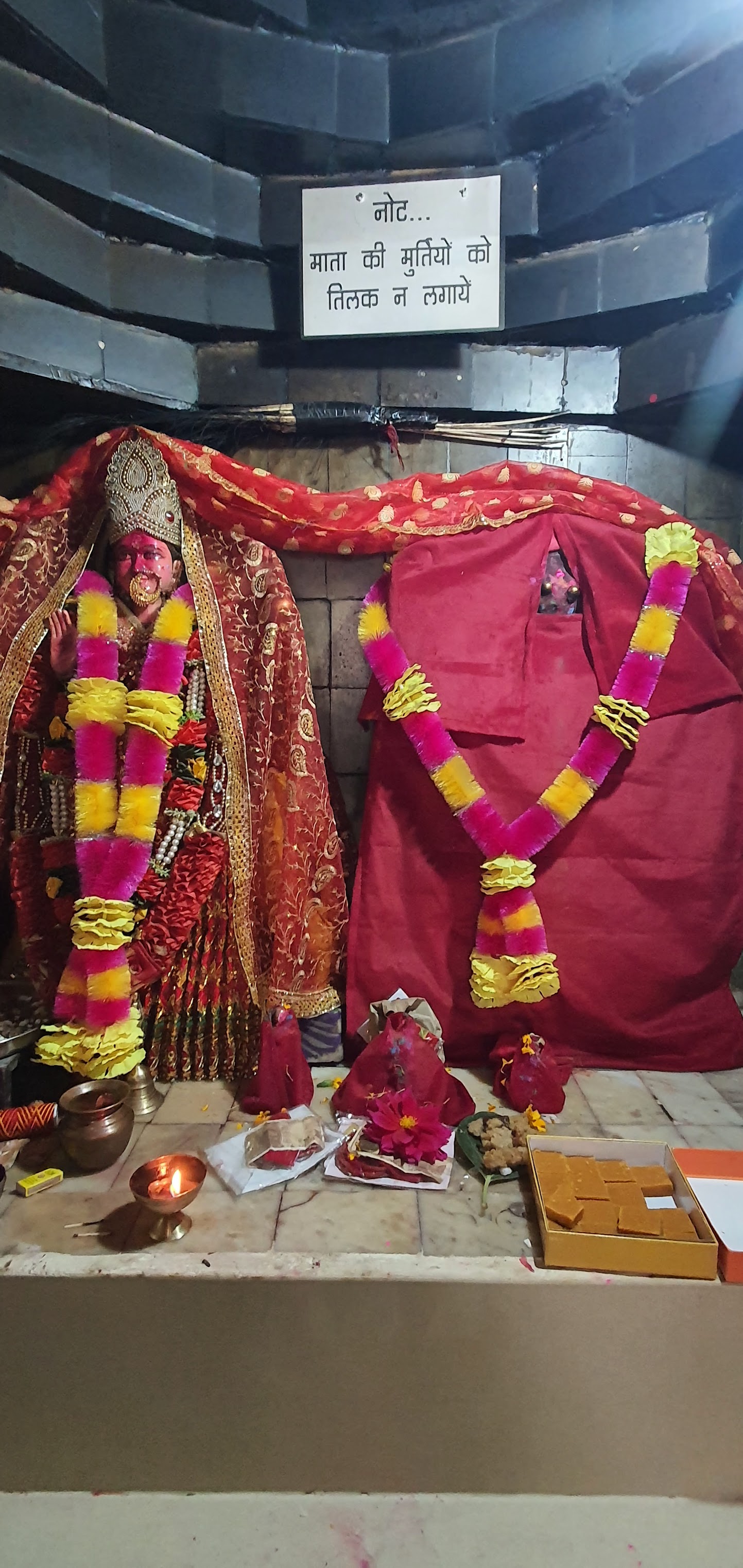
Nersha Mata Temple at a Glance
| Location | Bilaspur, Himachal Pradesh |
|---|---|
| Presiding deity | Devi |
| Established | c. 350-400 years old; associated with Raja Kalyan Chand of Bilaspur (r. 1600-1636) |
| Architecture | Traditional Pahari hilltop shrine (Nagara-style Devi mandir, stone construction) on a hilltop between Gehrwin and Samoh |
| Timings | Not publicly documented (unverified) |
| Address | Nersha Mata Temple, Baroha (Naras), Bilaspur District, Himachal Pradesh 174031 |
History of Nersha Mata Temple
Raja Kalyan Chand of Bilaspur (r. 1600-1636) made Sunhani his capital and constructed the temple, making it roughly 350-400 years old. Another tradition holds that a sacred pindi (stone) was discovered beneath a Summann tree where a mysterious light appeared, and the Goddess instructed a local priest in a dream to build a temple. The Markandeya Purana mentions King Surath performing penance to Naresa Devi and receiving her darshan. A second legend holds that when Raja Kalyan Chand demanded to see the goddess face-to-face, she appeared with her back turned in anger; her fury is said to have triggered a war between Kehloor and Saket that ended with the Kehloor king's death — after which the Chandel Rajput community ceased to visit. The presiding deity is a form of Durga/Narasimha-connected Devi.
Festivals Celebrated at Nersha Mata Temple
- Navratri (Chaitra and Ashwin)
- Annual Sair fair / Jatra
How to Reach Nersha Mata Temple
Nearest airport: Bhuntar Airport ~131 km. Nearest railheads: Kiratpur Sahib and Shimla. By road: about 3 km from Bilaspur town via the Baroha/Naras route; well connected by road, with stone-paved steps leading up the hill.
Temples Near Nersha Mata Temple
- Shri Gugga Jahar Peer TempleHimachal Pradesh · about 3 km in a straight line
- Shiv Puri Dham, SundhruHimachal Pradesh · about 4 km in a straight line
- Shri Rukmini Temple and KundHimachal Pradesh · about 4 km in a straight line
- Lakh Data Temple, BhajwaniHimachal Pradesh · about 5 km in a straight line
- Sheetla Mata Temple, JanglaHimachal Pradesh · about 5 km in a straight line
- Shiv Temple, KhirsiHimachal Pradesh · about 5 km in a straight line
More Devi Temples to Visit
- Shri Badoli Devi Ji TempleHimachal Pradesh
- Mata Shri Naina Devi Ji Mandir, KalolHimachal Pradesh
- Shri Mata Naina Devi Ji ShaktipeethHimachal Pradesh
- Murari Devi TempleHimachal Pradesh
- Shree Naina Devi Ji, Sohra-BiyunsHimachal Pradesh
- Maa Hateshwari Devi Temple, Darauda DhaarHimachal Pradesh
Frequently Asked Questions about Nersha Mata Temple
Where is Nersha Mata Temple located?
- Nersha Mata Temple is located at Nersha Mata Temple, Baroha (Naras), Bilaspur District, Himachal Pradesh 174031, in Bilaspur, Himachal Pradesh, India.
Who is the presiding deity at Nersha Mata Temple?
- The presiding deity at Nersha Mata Temple is Devi (also known as Shakti, Durga), worshipped in the Shakta tradition.
What are the timings of Nersha Mata Temple?
- Nersha Mata Temple is generally open Not publicly documented (unverified). Timings can vary on festival days and special occasions — verify with the temple before your visit.
When was Nersha Mata Temple built?
- Nersha Mata Temple was established c. 350-400 years old; associated with Raja Kalyan Chand of Bilaspur (r. 1600-1636). Portions of the structure have been added and renovated by successive dynasties over the centuries.
What is the architectural style of Nersha Mata Temple?
- Nersha Mata Temple is built in the Traditional Pahari hilltop shrine (Nagara-style Devi mandir, stone construction) on a hilltop between Gehrwin and Samoh style, characteristic of Devi shrines of this region.
Which festivals are celebrated at Nersha Mata Temple?
- The principal festivals celebrated at Nersha Mata Temple include Navratri (Chaitra and Ashwin), Annual Sair fair / Jatra. These draw large crowds of pilgrims from across Himachal Pradesh and beyond.
How can I reach Nersha Mata Temple?
- Nearest airport: Bhuntar Airport ~131 km. Nearest railheads: Kiratpur Sahib and Shimla. By road: about 3 km from Bilaspur town via the Baroha/Naras route; well connected by road, with stone-paved steps leading up the hill.
Why is Nersha Mata Temple significant?
- Nersha Mata Temple in Bilaspur, a hilltop Devi shrine tied to the former princely state, draws large crowds during Navratri and the annual Sair fair.