Sheetla Mata Mandir, Kullu
Also known as Sheetla Devi Mandir Kullu, Shitala Mata Mandir, Sheetla Mata Temple Sultanpur Kullu
Sheetla Mata Mandir in Kullu honors the folk goddess of protection from disease, drawing locals for marriages, healing vows, and seasonal worship.
Photos of Sheetla Mata Mandir, Kullu
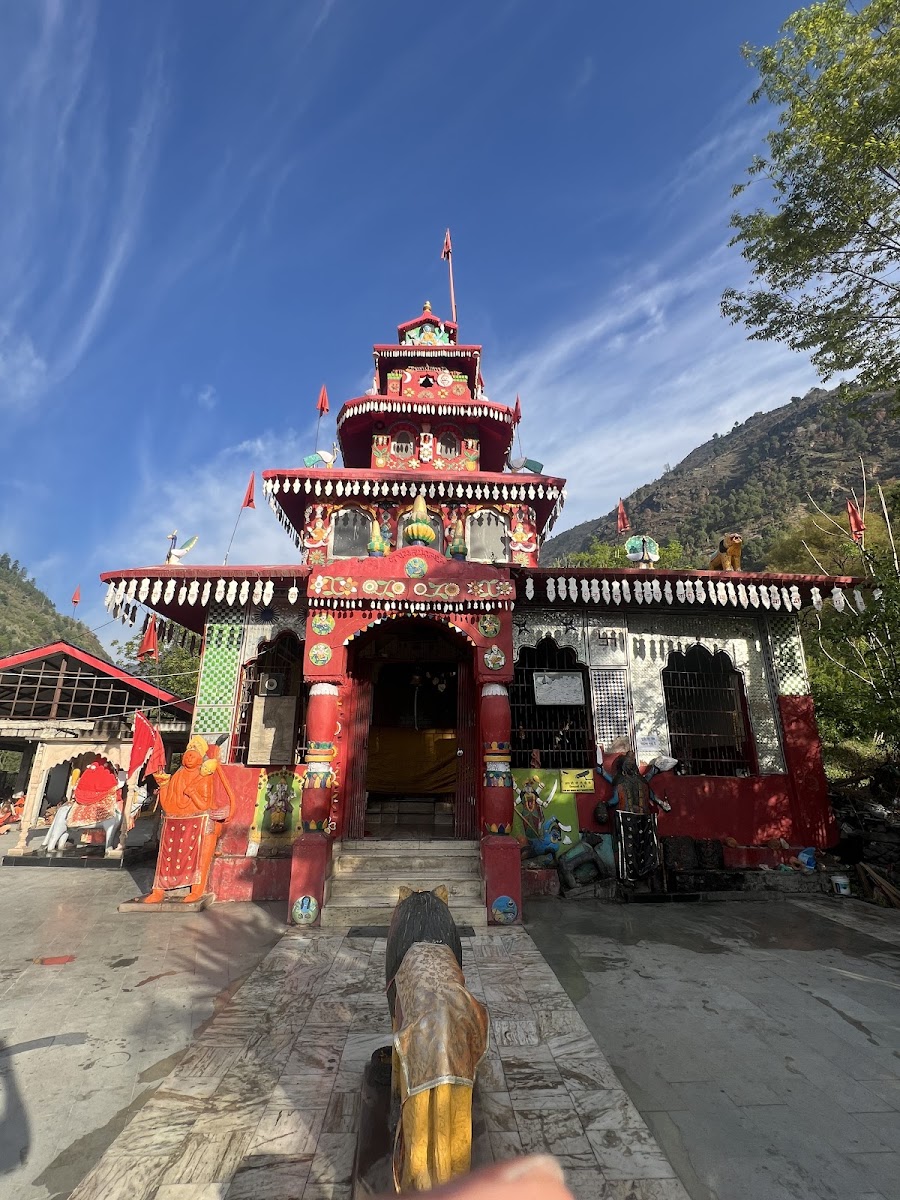
Sheetla Mata Mandir, Kullu at a Glance
| Location | Kullu, Himachal Pradesh |
|---|---|
| Presiding deity | Devi |
| Established | Undated; a longstanding local shrine (regional Sheetla Mata worship in North India is traceable to the 12th-16th century CE) |
| Architecture | Small traditional Himachali Pahari shrine near the Sarvari Nala; whitewashed finishes typical of regional Sheetla Devi temples |
| Timings | 06:00-21:00 daily |
| Address | Kullu - Ramshila Road, Sultanpur, Kullu, Kullu District, Himachal Pradesh 175101 |
History of Sheetla Mata Mandir, Kullu
Sheetla Mata Mandir on Kullu - Ramshila Road is a modest but active Devi shrine in the Sultanpur ward of Kullu town, situated near the Sarvari Nala. The presiding deity is identified as Sheetla Mata (a form of Shakti / Durga). The temple is especially noted locally as a venue for marriages and family rituals, and a dharamshala is available for visiting pilgrims. Detailed published history for this specific Kullu shrine is sparse; the broader cult of Sheetla Mata in Himachal is associated with 18th-19th century local rajas and earlier medieval devotion, with regional centres at Parwanoo, Una (Bharwain) and Naggar.
Festivals Celebrated at Sheetla Mata Mandir, Kullu
- Sheetla Ashtami (Basoda)
- Navratri
- Hartalika Teej
- Kullu Dussehra period
How to Reach Sheetla Mata Mandir, Kullu
Nearest airport: Bhuntar (Kullu-Manali) Airport, ~10 km. Nearest railhead: Chandigarh broad-gauge (~250 km). By road: the temple lies on Kullu - Ramshila Road in Sultanpur, ~0.8 km from Rambagh Akhara Park inside Kullu town; reachable on foot, by auto-rickshaw or local bus from the Kullu bus stand.
Temples Near Sheetla Mata Mandir, Kullu
- Jagannathi Devi Temple, BhekhliHimachal Pradesh · about 1 km in a straight line
- Shani Deva Temple, KharalHimachal Pradesh · about 1 km in a straight line
- Shri Raghunath Temple, KulluHimachal Pradesh · about 1 km in a straight line
- Maa Vaishno Devi Temple (Kullu)Himachal Pradesh · about 3 km in a straight line
- Bijli Mahadev TempleHimachal Pradesh · about 6 km in a straight line
- Shri Basheshwar Mahadev Temple (Bishweshwar Temple)Himachal Pradesh · about 14 km in a straight line
More Devi Temples to Visit
- Tripura Sundari Mandir, NaggarHimachal Pradesh
- Shri Hanogi Mata TempleHimachal Pradesh
- Ancient Maa Sheetla MandirHimachal Pradesh
- Chaturbhuja Mata TempleHimachal Pradesh
- Hidimba Devi TempleHimachal Pradesh
- Mahishasurmardini Mata Temple, DhangsidharHimachal Pradesh
Frequently Asked Questions about Sheetla Mata Mandir, Kullu
Where is Sheetla Mata Mandir, Kullu located?
- Sheetla Mata Mandir, Kullu is located at Kullu - Ramshila Road, Sultanpur, Kullu, Kullu District, Himachal Pradesh 175101, in Kullu, Himachal Pradesh, India.
Who is the presiding deity at Sheetla Mata Mandir, Kullu?
- The presiding deity at Sheetla Mata Mandir, Kullu is Devi (also known as Shakti, Durga), worshipped in the Shakta tradition.
What are the timings of Sheetla Mata Mandir, Kullu?
- Sheetla Mata Mandir, Kullu is generally open 06:00-21:00 daily. Timings can vary on festival days and special occasions — verify with the temple before your visit.
When was Sheetla Mata Mandir, Kullu built?
- Sheetla Mata Mandir, Kullu was established Undated; a longstanding local shrine (regional Sheetla Mata worship in North India is traceable to the 12th-16th century CE). Portions of the structure have been added and renovated by successive dynasties over the centuries.
What is the architectural style of Sheetla Mata Mandir, Kullu?
- Sheetla Mata Mandir, Kullu is built in the Small traditional Himachali Pahari shrine near the Sarvari Nala; whitewashed finishes typical of regional Sheetla Devi temples style, characteristic of Devi shrines of this region.
Which festivals are celebrated at Sheetla Mata Mandir, Kullu?
- The principal festivals celebrated at Sheetla Mata Mandir, Kullu include Sheetla Ashtami (Basoda), Navratri, Hartalika Teej, Kullu Dussehra period. These draw large crowds of pilgrims from across Himachal Pradesh and beyond.
How can I reach Sheetla Mata Mandir, Kullu?
- Nearest airport: Bhuntar (Kullu-Manali) Airport, ~10 km. Nearest railhead: Chandigarh broad-gauge (~250 km). By road: the temple lies on Kullu - Ramshila Road in Sultanpur, ~0.8 km from Rambagh Akhara Park inside Kullu town; reachable on foot, by auto-rickshaw or local bus from the Kullu bus stand.
Why is Sheetla Mata Mandir, Kullu significant?
- Sheetla Mata Mandir in Kullu honors the folk goddess of protection from disease, drawing locals for marriages, healing vows, and seasonal worship.